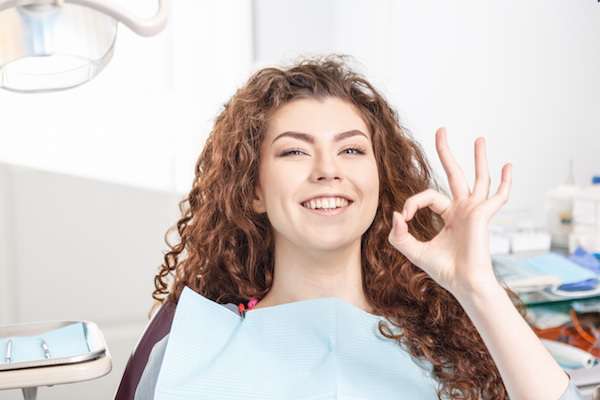
The fear of going to the dentist has long been a trope used in almost every medium of popular culture, but dental anxiety is a real problem for many people. An excessive nervousness or apprehension that builds before a dental appointment is not uncommon among many Americans. Even those who do not consider themselves to have anxiety may experience some discomfort at the thought of seeing the dentist. The causes of dental anxiety are rooted in several issues, and learning about those causes can be one way to overcome them.
Causes of dental anxiety
Everyone is different, so no one person has the exact same fears when it comes to a dental appointment. However, these are several general categories from which most anxieties stem.
Fear from a past experience
Traumatic events can leave a person afraid of history repeating itself, and a bad time at the dentist’s office is no exception. If someone remembers a visit that caused pain or discomfort, they may be hesitant to return. Even experiences that caused no pain but were tedious and uncomfortable can lead to slight dental anxiety.
Fear of needles
When more intensive treatments are needed to repair a tooth, it is not surprising to see a needle in the dentist’s office. Many people have a general fear of needles. Being in a place that already makes a patient uncomfortable can double the anxiety that is felt beforehand.
Fear of pain
A mythos of horror has always circled dental offices because of negative stories and a tray of diabolical-looking instruments. More likely than that, however, is a past incident that caused pain in someone’s mouth. That can make a patient anxious that the pain will happen again or something worse will happen next time. Fortunately, dental treatment has become a fairly exact science in modern times, eliminating much of the potential for pain.
Check out what others are saying about our dental services on Yelp: Dental Anxiety in Georgetown, TX.
Fear of loss of control and personal space
A patient is in the hands of the dentist during most of an appointment. It can feel embarrassing or uncomfortable to have no control over what is happening inside one’s own mouth. Personal space is easily breached by a dentist, causing anxiety that makes people avoid an appointment for too long.
How to handle dental anxiety
Avoiding the dentist can harm one’s oral health and cause greater problems in the future. There are ways to handle anxiety in a successful and healthy manner that allow patients to see the dentist on a regular basis.
Coping mechanisms
A patient can try practices like meditation, taking deep breaths, relaxing muscles, listening to music or watching something to distract from a future appointment. Techniques like these can calm the mind and make an appointment less stressful.
Therapy
If anxiety is severe, seeing a therapist may also help a patient cope with going to the dentist. A professional who specializes in behavioral therapy may be able to guide a patient through these fears.
Conclusion
Sometimes a good option for easing dental anxiety is simply informing the dentist about your specific fears. If a dentist understands what makes a patient uncomfortable, they can work to make the visit as easy as possible.
Request an appointment or call Healthy Smiles Dentistry Georgetown at 512-864-9010 for an appointment in our Georgetown office.
Recent Posts
A general dentist strengthens community oral health through professional fluoride applications that harden enamel, neutralize early decay, and create a barrier against future acid attacks. Regular office visits allow the general dentist to deliver targeted fluoride concentrations unavailable in over-the-counter products, ensuring each patient gains maximum cavity resistance with minimal chair time. Understanding how professionally…
Finding a high-quality dentist near me is the first step toward maintaining a healthy smile. This trusted professional can help ensure that you always have access to oral care services in the Georgetown area. If you are currently searching for a reliable provider, the following guide provides a strategic selection process to help you find…
A general dentist relies on digital X-rays as a critical diagnostic tool to evaluate oral health, detect issues early, and guide treatment decisions. These high-resolution images offer detailed insight into structures not visible during a routine visual exam, making them essential for both preventive and restorative care. Digital X-rays are safer, faster, and more comfortable…